

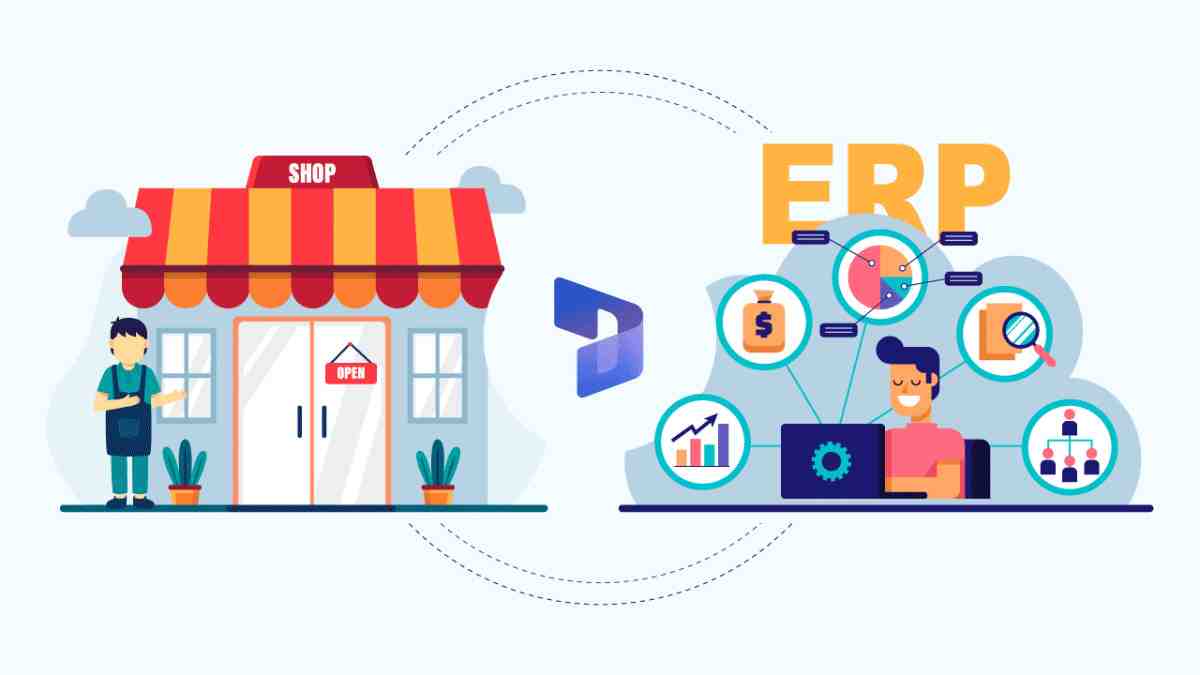
For small and mid‑sized enterprises (SMEs), growth not only means sales rise, products multiply, and teams expand, but also facing inefficient workflows, disconnected systems, and reporting lags that could chip away at profitability and morale.
Investing in an ERP system is a big leap. It requires money, change, and discipline. Done right, it unifies data, enforces consistency, cuts waste, and amplifies the operation.
However, the key isn’t just implementation. SMEs need to deliver measurable value quickly to maximize ROI. That means pressing forward with clarity of purpose, smart prioritization, and adopting best practices so every module, workflow, and decision adds real value.
Defining The Starting Line: What Is SAP Implementation
Before any technical work begins, leadership must agree on what is SAP implementation means. It is more than software installation—it involves redesigning processes, cleaning data, redefining roles, and establishing governance for decisions and change control.
When that definition stays fuzzy, scope creeps. Teams build features that don’t solve real problems. The implementation becomes a costly experiment rather than an enabler of better operations, insights, and growth.
Choosing the Right ERP Fit for an SME
Large ERP suites often come with more complexity than needed. At the same time, overly basic systems collapse under scale. For many SMEs, SAP Business One hits the balance.
It offers deep functionality—finance, operations, inventory, CRM—but without overwhelming weight.
Choosing a solution suited to your scale means you don’t overspend now, or outgrow it too soon. The ROI window opens earlier when you match the scope with real needs.
Begin With Pain Points, Not Features
Every SME has problems—slow invoice cycles, inventory mismatches, order processing errors, fragmented customer data. Too often, there’s temptation to ask, “Which modules should we install first?” The smarter question is: “Which real pain do we fix first?”
Map these problems early. Order‑to‑cash cycle delays? That’s a cash flow drag. Inventory miscounts? That’s wasted capital. Prioritize modules that tackle the biggest bottlenecks. That way, early wins fund momentum and make ROI real from the start.
Data Strategy: Clean Before You Migrate
Legacy systems carry their own debts: inconsistent naming, duplicates, orphan records, mismatched formats. If you migrate that mess, the new system inherits it.
Before migration, run profiling, dedupe, normalize. Define master data standards (customers, SKUs, vendors). Only migrate data you trust. That upfront work slows things down, yes—but it saves weeks of firefighting later.
Phased, Safe Rollouts Over Bomb-Drop Launches
Trying to live-cast every module at once is a gamble. One broken link can bring multiple functional areas to a halt. Instead, phase the rollout:
- Start with critical back‑office essentials – Finance and inventory
- Layer on – Sales and purchasing
- Then CRM and reporting
- Extensions and analytics
Each phase must include validation, training, stabilization. That pacing lets teams breathe and adapt in real-time and not panic.
Configure First, Customize Only When Needed
Every extra line of custom code is a liability. As upgrades roll, that code becomes fragile. Excellent SMEs configure workflows where possible. Only where business logic truly demands it, do they bring in customizations—modular ones, documented, isolated.
This keeps the core system stable and maintainable, preserving the path to ROI.
Integration: The Backbone Of Cross Function- Flow
ERP can’t live in isolation. E-commerce, point-of-sale, banking, logistics—they all must talk. Many SME ERP projects falter or lose ROI if the integration layer is built late, poorly, or left under‑maintained.
Best practices:
- Design API or middleware layers
- Build robust error handling and reconciliation
- Test fully with real data, not sanitized sets
- Monitor sync latency and failures post go-live
- Enforce security, versioning, and governance on integrations
When integrations work well, the system becomes living, connected. When they fail, fragmentation returns—and ROI suffers.
Training, Buy-In, And Cultural Shift
A perfect ERP system means nothing if people don’t use it. SMEs need change management. Engage staff early. Run pilot teams. Make them part of the design.
Offer layered training—hands-on-, walkthroughs, documentation. Encourage feedback and iteration. Celebrate small successes. That buy-in becomes the difference between adoption and abandonment.
Testing Like Your Business Depends On It
Testing often feels like a checkbox. But in real adoption, missed test cases become broken workflows, lost revenue, unhappy customers.
Do functional tests, integration tests, user acceptance tests, corner cases, performance and load tests. Rehearse cutover. Define fallback plans in case something goes wrong. When you test deeply, you vastly reduce risk, smooth the transition, and preserve both business continuity and ROI.
Go-Live Planning With Safety Nets
Cutover is the riskiest moment. Prepare exhaustively:
- Communicate data freeze windows early to stabilize data migration.
- Use parallel runs to validate correctness before decommissioning the old system.
- Back-out plans if things go wrong.
- Use war rooms for real‑time monitoring, issue triage, and decision-making.
- Set clear roles and escalation paths to resolve urgent issues.
A well-planned go-live costs extra polite attention and discipline—but it pays off in smooth transitions and fewer rollback scars.
Post Launch: Stabilization And Value Extraction
Launch is Day 1, not Day Done. In the weeks after, new challenges surface. Nip them early.
Track performance metrics—response times, errors, slow modules. Collect feedback, prioritize fixes. Enable deferred features once core operations stabilize. Run optimization sprints.
Value unlocks over time. The sooner you adapt, the faster the ROI curve turns upward.
Governance And Roadmaps Prevent Rot
Too often SMEs implement and leave the system to drift. That leads to technical debt, tangled customizations, and degraded performance.
Set governance: module owners, change review boards, budgeted enhancements, version management. Maintain documentation. Create a roadmap for upgrades and new use cases. That structure keeps the system fresh and profitable.
Scalability And Technical Architecture
Growth stresses system performance. If architecture was chosen for static load, you’ll hit ceilings. Use caching, indexing, asynchronous operations. Monitor usage and scale infrastructure. Design custom logic that doesn’t block parallel processing.
The goal: a backend that expands with volume, not bottlenecks under pressure.
Measure ROI Through Business Metrics
Technology metrics help—but ROI is about tangible business change. Track:
- Reduced order cycle times
- Inventory carrying cost down
- Cost of operations/per transaction
- Revenue uplift from improved customer handling
- Error rates, rework, waste
- Time to onboard new business units
As those metrics rise, the ERP proves its worth.
Pitfalls That Kill ROI—and How Experts Avoid Them
Common traps:
- Trying to replicate every old process exactly
- Skipping data cleanup
- Undertraining users
- Rushing cutover
- Overcustomizing
- Neglecting integrations
Experienced teams build guardrails. They over validate decisions, push back on scope creep and ensure that ROI isn’t theoretical—it’s delivered.
Final Thought
Implementing ERP in an SME is not just an upgrade—it’s a transformation. The difference between ROI and regret lies in clarity, discipline, and execution. Following strong SAP implementation methodology, choosing a fit like SAP business one, controlling scope, prioritizing data, fostering adoption, and maintaining governance—those practices ensure that your ERP becomes a lever, not a burden.












Leave a Reply