


After a hard training session, it’s easy to think that progress stops once the workout ends. Yet inside your body, the real transformation is just beginning. While muscles rest, your cells get busy rebuilding tissue, refueling energy, and preparing for your next effort. This hidden biological work called cellular recovery is the key to getting stronger, healing faster, and staying injury-free.
1. The Hidden Work Inside Your Muscles
Every time you exercise, your muscle fibers experience microtears. This may sound harmful, but it’s exactly what the body needs to grow stronger. When those fibers break down, they signal your cells to begin repair — but only if you give them enough rest and nutrients to work with.
Here’s what happens inside your cells right after exercise:
Energy depletion. Your body spends ATP (energy currency) faster than it can create more.
Inflammation. Immune cells rush to damaged tissue to clear waste and trigger healing.
Protein rebuilding. Enzymes begin repairing the cell walls and regrowing stronger fibers.
Without proper recovery, this cycle gets stuck, and fatigue builds up, limiting long-term performance.
2. The Cellular Rebuilding Process
Inside your body, there are trillions of mitochondria — tiny power generators within cells. After a workout, mitochondria multiply and repair themselves, boosting your ability to generate energy during future workouts. Simultaneously, your body activates **protein synthesis**, creating new proteins that strengthen and enlarge muscle fibers.
To support this stage, you need adequate hydration, nutrients, and enough downtime for these complex biochemical processes to complete.
3. Why Sleep Is the Foundation of Recovery
Sleep is where your body performs its most powerful repairs. During deep sleep, muscles receive extra blood flow, damaged tissues rebuild, and hormone levels rebalance. Growth hormone — a crucial repair factor — peaks during the deepest stages of sleep. When you cut short your rest, this hormone release is disrupted, slowing down cellular recovery dramatically.
Tip: Maintain a bedtime routine, lower light exposure, and avoid caffeine in the evening to help your nervous system transition smoothly to restorative sleep.
4. Fueling the Recovery Machine
Nutrition plays an equally crucial role in cellular healing. After exercise, your muscles act like a dry sponge because they readily absorb nutrients to repair and refuel. The best post-workout recovery comes from a combination of:
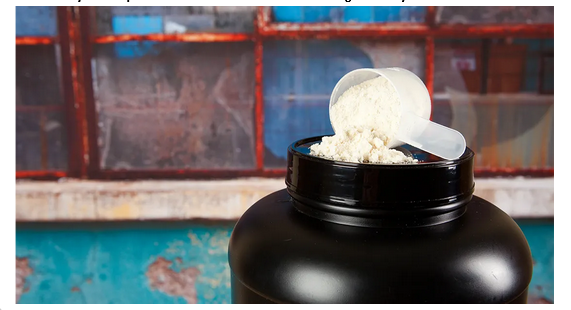
Protein. Essential for rebuilding tissue. Choose lean meats, eggs, or legumes.
Carbohydrates. Refill your glycogen stores, restoring energy quickly.
Healthy fats. Reduce inflammation and support cell membrane structure.
Electrolytes and hydration. Keep your fluid balance stable to enable nutrient transport.
Timing matters; consuming balanced food within one hour after exercise speeds up recovery and reduces soreness.
5. Smart Recovery Methods Backed by Science
Recovery doesn’t have to be complicated. It’s about enabling nature to do its job efficiently:
Light movement improves oxygen delivery and removes metabolic waste.
Enhance blood flow, reduce stiffness, and maintain flexibility.
Helps regulate inflammation and soothe overused muscles.
Deep breathing or meditation reduces stress hormones, supporting cellular health.
Each of these strategies reinforces your body’s built-in healing systems — but none can replace consistent rest, nutrition, and balanced training.
6. Rethinking the Meaning of Progress
The best athletes know that strength doesn’t come from nonstop training. But it comes from smart recovery. Every rep you complete breaks muscle tissue down; every rest day builds it back better. When you recover well, you multiply the benefits of your effort.
7. The Power of Respecting Rest
Respecting recovery is a sign of discipline, not weakness. It’s about working in harmony with your biology. When you give your body time, nourishment, and quality sleep, you unlock your full capacity to grow, adapt, and stay resilient under physical stress.
Bottom Line
Growth happens when effort meets recovery. Exercise challenges your body, but rest, nutrition, and sleep transform that challenge into real progress. Healing is the unseen half of strength — and the one your body values most.
Author Bio:
With a passion for science-based fitness, James Hammer educates readers about joint support, healthy aging, and research-backed wellness trends. He also discusses how to responsibly evaluate peptides for sale USA for laboratory research purposes only.









Leave a Reply