
Alright, let’s break this whole GST-certificate thing down like you and I are just chatting over chai, because the usual formal stuff is… well, boring.
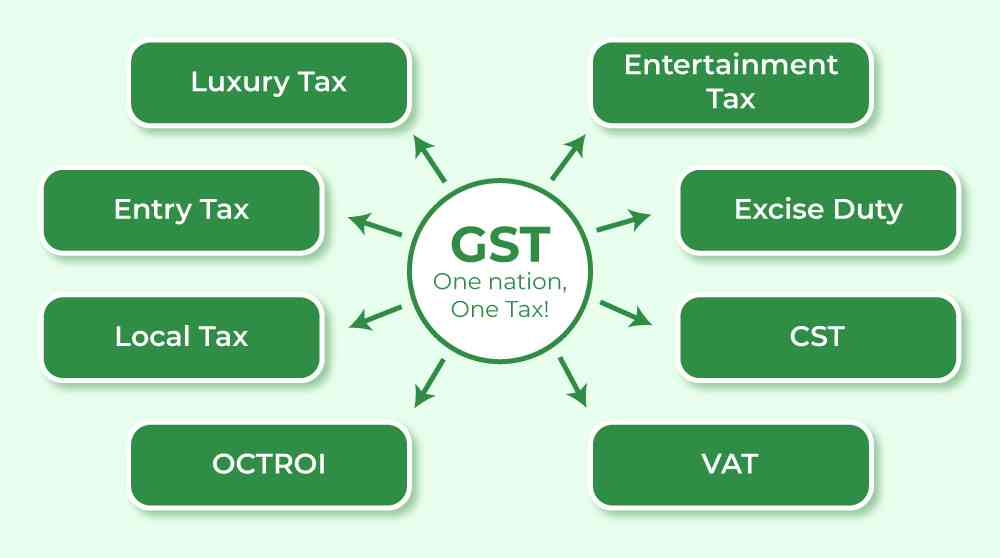
So, GST basically replaced that giant mix of taxes India used to have. One big tax instead of twenty little confusing ones—honestly, thank god. And once you register under GST, you get this official certificate. Think of it like your business’s ID card. Without it, you’re kinda invisible in the eyes of the tax system. Whether you’re selling handmade soaps or running some fancy import-export thing, this certificate is non-negotiable.
People assume that the GST certificate download, it is complicated, but it’s honestly not. You just log into the GST portal, poke around your dashboard, hit the “User Services” area, and there’s this neat little option that literally says “View/Download Certificates.” Click, download, done. It comes as a PDF—easy to store, easier to misplace… so maybe don’t do that.
The certificate itself has your 15-digit GSTIN, which looks random but actually tells the system who you are and where you fall in the tax map. And unless you’re a casual or non-resident taxpayer (those get an expiry date), the certificate doesn’t really expire. But you do have to display it at your main business place, or the tax folks won’t be thrilled.
Types of GST
Now, about the different types of GST—because yes, there’s more than one, which is confusing until it suddenly isn’t.
There’s CGST (the centre takes this), SGST (the state grabs this one) and IGST (this appears when goods hop across states or travel in and out of India). Oh, and UTGST for Union Territories—basically the same idea but for places without state governments.
So, India didn’t stop at just “one GST.” Nope. It’s actually split into a few flavours, depending on where your goods or services are travelling. Think of it like different lanes on a highway—same road, different directions.
- CGST is what the central government pockets when you sell something within your own state.
- SGST is the state’s share of that same transaction. Kind of like splitting a pizza between two friends who both insist they’re hungry.
- IGST, which jumps in when your product crosses state borders—or if it’s going in or out of the country entirely.
- UTGST is basically the same idea as SGST, except for places that aren’t technically states. Chandigarh, Lakshadweep, that whole list.
Okay, but why bother being compliant with all this? Honestly, life is easier. You don’t juggle ten different taxes. Your paperwork shrinks. You get to claim input tax credit, which basically stops you from paying tax twice on the same thing (always a win). And it keeps everything transparent so buyers, sellers, and everyone feels things are above board.
And yes, a quick reminder: downloading your GST certificate isn’t rocket science. Jump onto the portal, log in, poke around “User Services,” and the PDF is right there waiting. Understanding which GST type applies to your business just helps you avoid surprises later.
Summary
In short? If you’re running anything from a neighbourhood setup to cross-country trade, staying on the right side of GST rules is just part of doing business. It’s not glamorous, but it keeps everything clean, legal, and way less stressful.
Why follow all this?
Well… smoother taxes, fewer surprises, easier paperwork, and you can even claim input tax credit so you’re not paying tax twice. And honestly, being compliant just makes business life less chaotic.
So yeah, if you’re running a business—big, tiny, or somewhere weirdly in between—understanding your GST basics and grabbing that certificate from the portal is just part of the deal. It’s quick, it’s online, and without it, you’re stuck.
About the Author