

Introduction
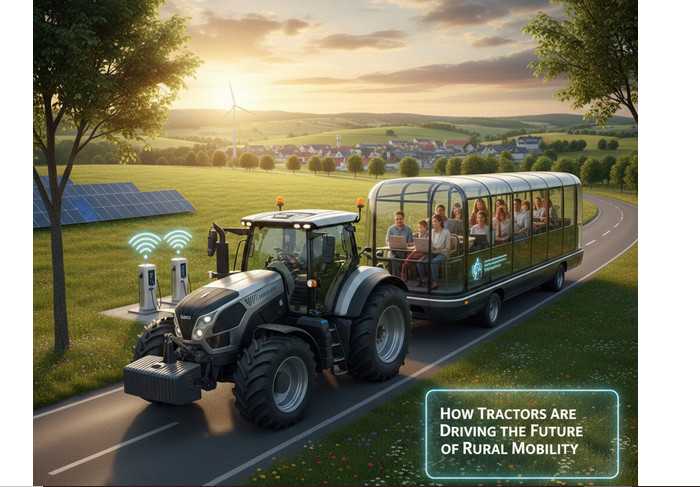
When people think about the automotive/motor industry, they will suddenly conjure images of cars, trucks, and motorbikes. But there’s one piece of automotive machinery central to rural areas that doesn’t get much attention — the tractor. Tractors are more than farm machinery now. They have grown into strong transportation vehicles that are relied on for farming, travel and rural commerce.
Over the decades, tractors have incorporated a number of high-tech automotive innovations – from more fuel-efficient engines to superior transmissions; smarter controls and safer systems. Such advancements have transformed the tractor into a trusted means of mobility for farmers and communities in rural areas. Today, tractors are critical to linking farms to markets, raising productivity, accelerating economic growth.
This piece discusses where, in the context of the 21st Century auto landscape, tractors belong and why they are vital to developing countries.
Progress in the Evolution of Tractors as Motor Vehicles
The first tractors were basic, crude machines used for nothing more than plowing fields. They weren’t comfortable, efficient or flexible. One result was that the tractors, previously simple vehicles, were now “automobile engineering” vehicles.
Modern tractors now include:
- Powerful and fuel-efficient engine
- Equipment and Transmission Systems, advanced gear and transmissions
- Hydraulic steering and braking
- Comfortable driver cabins
- Upgraded suspension and control systems
These developments have led tractors closer to the performance and reliability of other vehicles on the road.
Role played by Tractors in Rural Transportation
There is more to tractors than this in many a country district. They are workhorses for transportation and logistics.
Common transportation uses include:
- Hauling crops from fields to storage sites
- The ferrying of goods to local markets
- Driving building supplies in villages
- Supporting small rural businesses
Given that tractor are designed to withstand rough terrains better than non-off-roading cars, they are good transport systems in areas where roads have not been developed.
Automotive Technology in Modern Tractors
Automotive tech incorporization has dramatically enhanced tractors capacity.
Engine Efficiency
Today’s tractors use higher efficiency diesel engines with:
- Higher torque at low speeds
- Better fuel efficiency
- Reduced emissions
They are built for hours of operation and reliability.
Transmission Systems
New transmission systems enable more seamless gear shifting and improved control.
Benefits include:
- Reduced driver fatigue
- Improved traction
- Higher work efficiency
Even modern automobiles have been adapted to semi-automatic or even fully automatic transmissions, and some tractors are also similarly equipped.
Automotive-inspired Safety Elements
Safety has become a big issue in tractor construction. Modern features Modern tractor have adapted safety and communication systems to comply with automotive standards.
- Roll-over protection structures
- Improved braking systems
- Better viewing areas with larger cabins
- Improved lighting/night use
Such characteristics contribute to accident reduction and labour protection during long hours of operation.
Contribution of Tractors Towards Rural Economy
Tractors play a direct role in rural economy by decreasing the labor demand and increasing efficiency.
Economic benefits include:
- Speed up farm work.
- Lower labor costs
- Increased crop productivity
- Extra income from rentals
Demand for tractors as an earning asset, renting out to other local farms and for transports purposes.
Digital Platforms Supporting Tractor Buyers
Farmers today research tractor online before buying amidst the growing availability of digital tools. Trustworthy sites give model specifications, price and features.
Websites such as khetigaadi, make it easier for buyers to know more about tractor options, compare specifications and get the right deal. These platforms help manufacturers connect with rural customers by bringing a larger level of transparency and accessibility.
Tractors and Sustainable Automotive Practices
Sustainability is a trend as well in automotive, when we talk about tractors.
Modern tractor designs focus on:
- Reduced fuel consumption
- Lower emissions
- Compatibility with environmentally friendly farming practices
- Long lasting and durable so less waste
A handful of companies are also testing out alternative fuels and electric tractor models in what the group touts as a ‘cleaner’ way to move around rural areas.
Why Tractor Matter Beyond Agriculture
Tractors influence more than farming. They contribute to rural infrastructure, local trade and emergency transportation.
Key non-farming uses include:
- Road and land development
- Disaster recovery support
- Village-level logistics
- Small-scale construction work
hence many time one of the most flexible vehicle machines in agrarian industries is tractor.
Challenges in Tractor Adoption
Yet tractor face headwinds, despite their significance:
- High initial investment costs
- Lack of access to credit for rural areas
- Maintenance and service availability
- Fuel price fluctuations
Yet increased knowledge, state backing and access to digital tools are slowly chipping away at them.
The Prospects of Tractors in the Automobile Sector
Although not much has changed, the future of tractors is good.
Expected developments include:
- Smarter engine management systems
- Improved automation features
- Better fuel alternatives
- Enhanced digital connectivity
With better rural infrastructure, tractor are likely to evolve further and perform various functions other than farming.
Conclusion
Now, tractor are no longer just farm equipment. They are integral to the automotive system, particularly in rural areas. With a strong, efficient design and rich automotive history – tractors are hardworking machines that help to keep the food on your table and get you where you need to be.
They are indispensable vehicles for the future, insofar as they contribute to rural mobility and trade, economic growth and sustainable development. Tractor will continue to develop with advancing technology, showing that innovation in the automotive world doesn’t stop at city limits.









Leave a Reply