
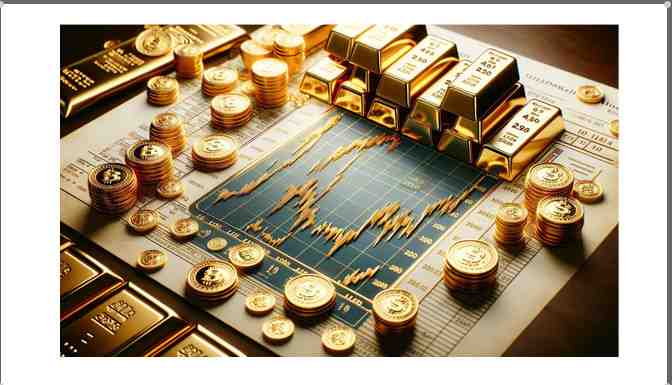
Gold has always been synonymous with wealth and prosperity throughout human history. From ancient civilizations that worshiped it as a symbol of divine power to modern economies where it serves as a hedge against uncertainty, gold has played a pivotal role in shaping the world of commerce, investment, and societal values. One cannot ignore its allure, which is intangible and universally appreciated. As investors and analysts turn to the history of gold price to forecast future trajectories, this article explores the insights gleaned from its past and how they illuminate paths for upcoming investments. Additionally, we’ll touch upon related topics, such as what is the price of white gold and how different forms of this precious metal, including gold alloys, influence the broader investment picture.
A Historical Perspective on Gold Prices
Gold has been utilized as currency or a store of value for thousands of years, making its price history an extraordinary gauge for understanding economic, social, and geopolitical shifts. The history of gold price reveals patterns influenced by wars, inflation, financial crises, technological advancements, and even public sentiment. By analyzing gold’s price movement through various historical periods, investors can derive valuable lessons about its behavior and future potential.
Gold in Ancient Times
The allure of gold dates back to 3,000 BC, long before stock markets or exchange rates existed. Ancient Egyptians considered gold divine and used it prominently in art, jewelry, and religious ceremonies. However, gold at the time wasn’t priced the way it is now — its value was determined through direct barter or weight.
It wasn’t until gold coins were minted during the reign of King Croesus of Lydia (modern-day Turkey) around 600 BC that gold began being used systematically as currency. Gold held intrinsic value, serving as the backbone of early monetary systems. Ancient gold prices may not have been quoted like today, but its rarity and universal desirability ensured it remained untethered by the limitations of other commodities.
Gold and the Gold Standard
Fast forward to the modern era, gold began to play an increasingly significant role in currency systems. The introduction of the Gold Standard in the 19th century marked a pivotal point in its price trajectory. Under the Gold Standard, national currencies were directly tied to specific amounts of gold. This system stabilized currency values but simultaneously limited economic freedom and growth potential.
During the Great Depression of the 1930s, confidence in the Gold Standard waned, and major economies opted to abandon it in favor of fiat currencies. The transition marked a notable shift in the history of gold price, pushing gold from currency status to a speculative asset and store of value. With this shift, gold prices began to fluctuate based on market dynamics rather than being pegged to a fixed quantity.
The Bretton Woods System
Another turning point for gold investment occurred after World War II with the establishment of the Bretton Woods system, where the US dollar became the global reserve currency backed by gold. The official government-mandated price was set at ₹35 per ounce, creating stability and enduring trust in gold as an anchor of monetary systems. However, this stability was short-lived. As the 1970s saw rising inflation and economic turbulence, President Nixon terminated the gold standard entirely in 1971 — an event referred to as the “Nixon Shock.”
Post-1971, gold prices began to float freely in the global market. The price per ounce shot up from ₹35 to over ₹800 by the early 1980s due to unprecedented inflation and instability. Looking at such patterns in the history of gold price helps investors understand how external economic conditions affect its value.
Gold Prices in the 21st Century
The 2000s introduced gold to a new era of demand, driven by increasing uncertainty in the geopolitical landscape, particularly after events like 9/11 and the financial crisis of 2008. By 2011, gold hit historic highs, surpassing ₹1,900 per ounce due to concerns over global recession and the weakening of major global currencies.
Over the last decade, gold has maintained an upward trajectory with intermittent corrections. The COVID-19 pandemic of 2020 intensified gold’s role as a “safe haven” investment, pushing prices to over ₹2,000. Alarmed by equity market volatility and the debasement of fiat money through stimulus packages, investors flocked toward gold as a stable asset class.
Lessons from Gold Price History
Reflecting on gold’s price movements over centuries, several key takeaways emerge:
- Gold is a Hedge Against Uncertainty – Gold prices tend to rise during times of economic instability, inflation, or geopolitical tensions. Investors often turn to gold when traditional financial instruments falter.
- Gold’s Value is Persistent Yet Volatile – While gold retains intrinsic value, its price can experience significant swings depending on external factors, making timing pivotal for investors.
- Correlation with Inflation and Currency Devaluation – Historically, gold has acted as a hedge against inflation and currency devaluation. When fiat money loses value, gold prices typically rise.
- Long-Term Appreciation – Despite temporary price fluctuations, gold has appreciated significantly over time, making it a reliable choice for long-term investments.
Understanding Future Investments in Gold
Will gold continue to shine as a safe haven asset in the future? The history of gold price suggests that its demand and value will remain consistent, primarily because of its intrinsic qualities—scarcity, universality, durability, and resistance to inflation. As cryptocurrencies, stocks, and real estate show higher volatility levels, gold offers stability that few asset classes can compete with.
However, future investments in gold will depend on various factors:
– Technological Innovations: Innovations in gold mining and refining technologies may influence supply levels, which could potentially impact global prices.
– Geopolitical Climate: Tensions between nations, trade wars, and the rise of protectionist policies may drive investors to gold as a hedge.
– Environmental and Sustainability Trends: Gold mining has environmental consequences, and growing awareness of sustainability may lead to supply restrictions, driving prices up.
– Digital Gold: With blockchain technology, new forms of gold ownership like tokenized gold may emerge, offering alternatives to traditional forms of investment.
What is the Price of White Gold?
While gold itself is a lucrative investment, understanding its variations is equally important. Take white gold, for example—a popular alloy of gold mixed with other metals like nickel, palladium, or silver, giving it a silvery-white appearance. White gold is often favored for its aesthetic appeal in jewelry-making but differs from pure gold in terms of composition, price, and utility.
What is the price of white gold? The answer varies depending on:
- Purity: White gold can range from 14-karat (58.3% gold content) to 18-karat (75% gold content). Higher karat counts result in higher prices.
- Market Trends: Similar to gold, white gold’s price is impacted by market trends and external factors like global demand for jewelry.
- Metal Composition: The presence of palladium or nickel influences white gold prices. Palladium, for example, is highly valuable, which may push white gold prices higher.
Typically, the price of white gold is slightly lower than pure gold, as it’s not composed entirely of gold. However, its demand in the luxury market makes it a lucrative commodity for jewelry manufacturers and designers.
Gold vs. White Gold: Investment Implications
While traditional gold continues to dominate markets as an investment vehicle, white gold exhibits value in niche markets, particularly jewelry and high-end design industries. Investors should note that white gold is less commonly viewed as a financial instrument and more as a luxury commodity tied to fashion trends.
Nonetheless, the popularity of white gold underscores the potential for diversification within the precious metals market. For someone who invests in gold jewelry, understanding what is the price of white gold provides additional insights into broader market dynamics.
Conclusion: Will Gold Maintain Its Sheen?
The history of gold price demonstrates a profound ability to withstand financial shifts, geopolitical unrest, and even paradigm changes in global economies. Investors who study its past can find clear indicators of gold’s behavior in the future, particularly as a safeguard against inflation, currency fluctuations, and systemic uncertainty.
While the digital age presents new investment opportunities like cryptocurrencies, gold remains unmatched as a tangible asset with enduring value. Diversification across gold types—including pure gold, white gold, and other alloys—might further enhance investor portfolios.
As global markets evolve and adapt to new challenges, gold will undoubtedly continue to play a critical role in protecting wealth, representing security, and reflecting the underlying stability of economies. Whether investing in pure gold or exploring what is the price of white gold, precious metals offer a timeless appeal that investors can’t afford to overlook.
About the Author