 Sweta
Sweta
Rats and mice do not care how much a cable costs. They gnaw on soft plastic to keep their teeth in check. Buried irrigation pipe, coiled garden hose, drip lines, and the flexible sheathing on wires are easy targets. Once the outer skin is chewed, water leaks in and the current shorts out. This is where an anti rodent mb earns its place. It is a deterrent additive that makes the plastic taste and smell wrong to pests, so they move on instead of chewing through.
A quick note before we go further. This kind of additive is a deterrent. It discourages gnawing. It is not a poison and does not claim to kill anything. That distinction matters for buyers who want protection without turning a pipe into a pesticide.
Why flexible cable and hose sheathing tempts rodents
Flexible parts are soft by design. Soft-touch grips, hose walls, and cable jackets bend easily, which is exactly what a rodent’s teeth like. Hard housings resist a bite. A pliable sheath does not.
Location adds to the problem. Much of this plastic sits where you cannot watch it. Cables run behind walls and inside conduit. Irrigation lines sit under soil. Hoses coil in sheds and garages. Warmth, quiet, and darkness pull rodents in, and the plastic is right there. In many parts of India, where lines run outdoors through fields and open plots, the pressure is constant through the warm months.
The damage is rarely a clean cut. It starts as small nicks and grows. By the time you spot a leak or a dead circuit, the animal has usually been at it for a while.
How anti-rodent MB work without stiffening the part
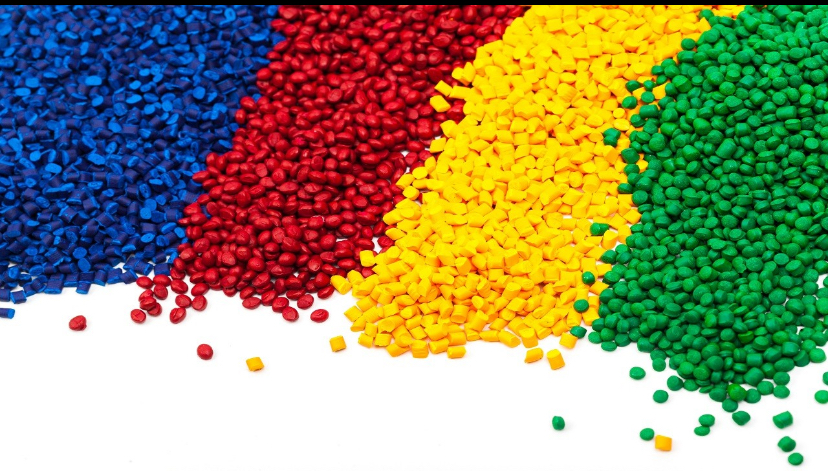
A rodent deterrent masterbatch carries active compounds in a polymer base. You blend it into the same resin you already run. The additive stays in the finished part and gives it a bitter, off-putting character at the surface. When a rodent tries a test bite, it backs off.
The useful part for flexible goods is what the additive does not do. Good masterbatch is dosed low, so it does not stiffen a soft hose or grip. It does not fight the flexibility you built into the compound. It also stays colour-neutral in most cases, so a black cable stays black and a natural pipe stays natural. You keep the feel and the look, and you add a layer of protection.
Because it mixes in during normal processing, there is no extra coating step and no spray line. The protection is inside the wall, not painted on top, so it does not rub off with handling or weather.
Where TPE masterbatch fits
Many soft parts are made from thermoplastic elastomers. TPE gives you rubber-like stretch with the easy processing of a thermoplastic. A TPE masterbatch helps you tune those soft, flexible parts, such as colour, feel, and processing behaviour for grips, seals, soft cable jackets, and flexible tubing. TPE also melts and reprocesses cleanly, which helps on the recycling side compared with thermoset rubber.
Pair the two ideas and the logic is simple. Use TPE where you need softness and a good grip. Add a rodent deterrent where that softness sits in a pest-prone spot. Suppliers such as Suryamb work across both additive types, which is handy when a single part needs feel and protection together.
| Part type | Needs flexibility? | Rodent risk | Common approach |
| Buried irrigation pipe | Some | High | Base resin + anti rodent mb |
| Outdoor cable jacket | Yes | High | Flexible compound + deterrent |
| Soft-touch grip | Yes | Low to medium | TPE masterbatch for feel |
| Flexible tubing | Yes | Medium | TPE + deterrent if exposed |
Dosing and trial advice
Start with the supplier’s recommended let-down ratio and treat it as a starting point, not a final answer. Dosing is usually a small percentage of the total mix.
Run a short trial batch before full production. Check three things. First, does the part still bend and feel the way it should. Second, did the colour shift. Third, does processing run smoothly with no screw slip or surface marks. Keep a control sample with no additive so you can compare fairly. If the part passes on feel, colour, and flow, lock the ratio and move ahead.
Conclusion
Soft plastics get chewed because they are soft and often out of sight. An anti rodent mb gives flexible cables, pipes, and hoses a built-in deterrent without stiffening them or shifting their colour. Match it with the right TPE compound where you need real softness and grip, run a quick trial to check feel and flow, and you get parts that stay flexible and stay intact. For buried lines and outdoor cable across India, that small addition can save a lot of repair work later.
FAQs
Is anti rodent mb a poison? No. It is a deterrent. It makes plastic unpleasant to gnaw so rodents avoid it. It does not claim to kill pests.
Will it make my flexible hose stiff? No. At normal dosing it does not meaningfully change flexibility. Run a trial batch to confirm on your compound.
Does it change the colour of the part? In most cases it stays colour-neutral. Always check on your own resin and shade during a trial.
Can I use it with TPE? Yes. You can add a deterrent to flexible TPE parts that sit in pest-prone spots, like outdoor jackets and tubing.
What does TPE masterbatch do? It helps colour and tune soft, flexible parts made from thermoplastic elastomers, such as grips, seals, and soft tubing. TPE also reprocesses more easily than thermoset rubber.
How much should I add? Follow the supplier’s let-down ratio and confirm with a trial batch before scaling up.